
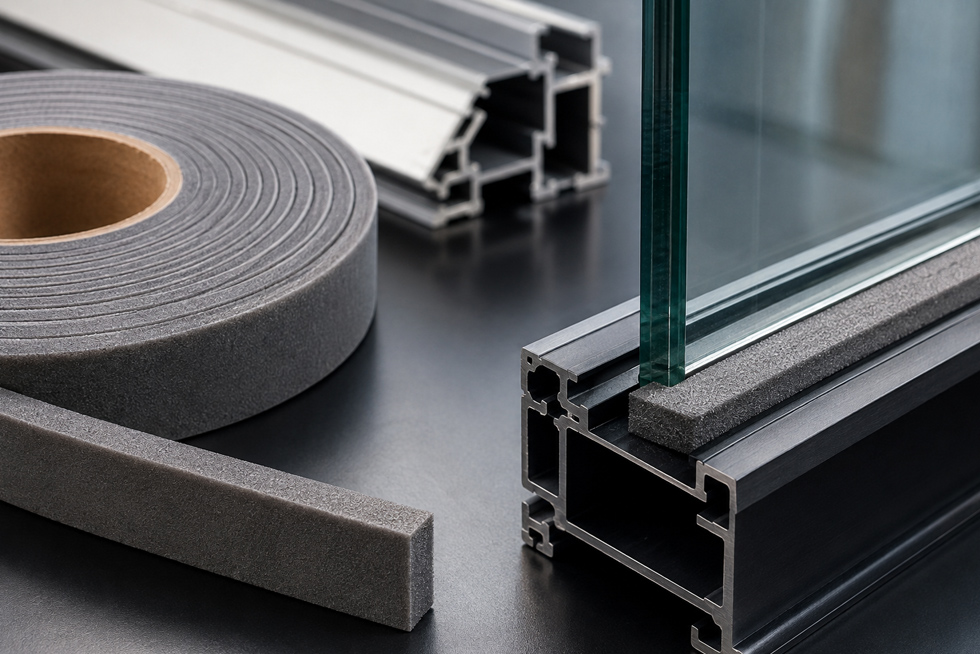
When selecting glazing tape for a window, storefront, curtain wall, or other glass installation, one of the most important factors to consider is the glazing tape compression ratio. Choosing the correct tape thickness and achieving the proper amount of compression can make the difference between a durable, weather-resistant seal and a glazing system that eventually develops leaks, drafts, or other performance problems.
For compressible foam glazing tapes, compression is not simply a matter of making the tape fit tightly into a joint. The tape must be compressed enough to conform to the surrounding surfaces and create an effective seal, while avoiding excessive compression that can make installation unnecessarily difficult or affect the performance of the assembly.
Capital Tape supplies a complete range of compressible glazing tapes designed for storefront, architectural, and other glazing applications, including medium-density closed-cell PVC foam tapes available in multiple thicknesses and configurations.
What Is the Glazing Tape Compression Ratio?
The glazing tape compression ratio describes how much a foam tape is compressed from its original, uncompressed thickness after installation.
For example, if a glazing tape is originally 1/4 inch thick and is compressed to 3/16 inch after installation, the compression is:
(1/4″ − 3/16″) ÷ 1/4″ = 25% compression
In other words, the tape has been compressed by 25% of its original thickness.
Understanding this relationship is important when determining the correct tape thickness for the glazing pocket. A tape that is too thin may not compress sufficiently to create the intended seal. A tape that is excessively thick may require unnecessary installation force or create dimensional problems within the assembly.
Why Glazing Tape Compression Matters
Foam glazing tape is designed to conform to the surfaces on either side of a joint. Compression allows the closed-cell foam to fill small irregularities and maintain contact as the glazing system experiences movement.
Capital Tape’s compressible glazing tapes are specifically designed for applications requiring flexibility, conformability, cushioning, and sealing. The company’s medium-density PVC foam glazing tapes are available in thicknesses ranging from 1/16 inch to 1/2 inch.
Proper compression can help the tape:
- Create a continuous seal between the glass and frame
- Seal against air, moisture, light, and dust
- Accommodate movement within the joint
- Cushion glass and surrounding components
- Reduce vibration and sound transmission
- Maintain contact with uneven or irregular surfaces
- Improve the long-term performance of the glazing assembly
Capital Tape notes that its PVC foam products can completely seal out air, moisture, light, and dust when compressed 30% or more.
How to Calculate Glazing Tape Compression Ratio
Calculating the compression ratio is relatively straightforward.
Use this formula:
Compression Ratio (%) = [(Original Thickness − Compressed Thickness) ÷ Original Thickness] × 100
Example
Suppose you are using a 1/4-inch glazing tape.
If the installed thickness is reduced to 3/16 inch:
- Original thickness = 1/4 inch
- Compressed thickness = 3/16 inch
- Reduction = 1/16 inch
- Compression ratio = 25%
If the same 1/4-inch tape is compressed to 5/32 inch:
- Original thickness = 1/4 inch
- Compressed thickness = 5/32 inch
- Reduction = 3/32 inch
- Compression ratio = 37.5%
This calculation can help determine whether the selected tape is appropriate for the available glazing pocket.
The 30% Compression Guideline
For many closed-cell PVC foam glazing applications, achieving approximately 30% or greater compression is an important design consideration.
Capital Tape’s guidance specifically identifies 30% compression as the point at which its PVC foam products can provide a complete seal against air, moisture, light, and dust.
Capital Tape also addresses compression in its troubleshooting guidance for glazing tape failures. If a tape is too thin for the glazing pocket, it may remain insufficiently compressed and leave pathways through which water can travel. The recommended approach is to evaluate the glazing pocket dimensions and select a tape thickness capable of achieving the required compression once the glazing system is secured.
However, the exact compression requirement should always be evaluated against the specific tape, glazing system, manufacturer recommendations, and applicable project requirements.
Choosing the Right Glazing Tape Thickness
Selecting glazing tape thickness starts with understanding the joint or glazing pocket in which the tape will be installed.
Capital Tape’s compressible glazing tapes are available in:
- 1/16 inch
- 1/8 inch
- 3/16 inch
- 1/4 inch
- 3/8 inch
- 1/2 inch
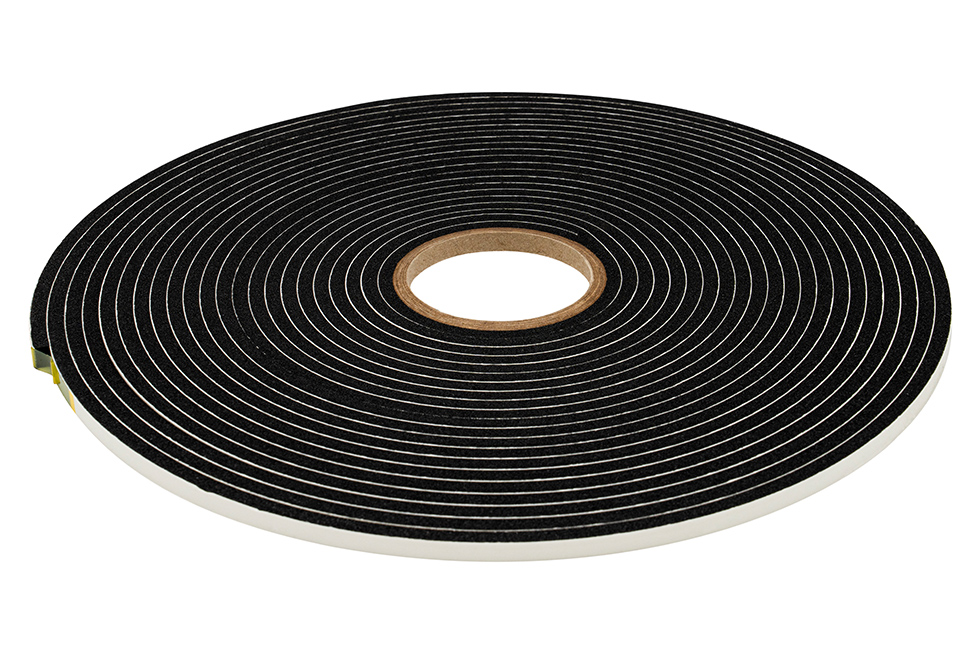
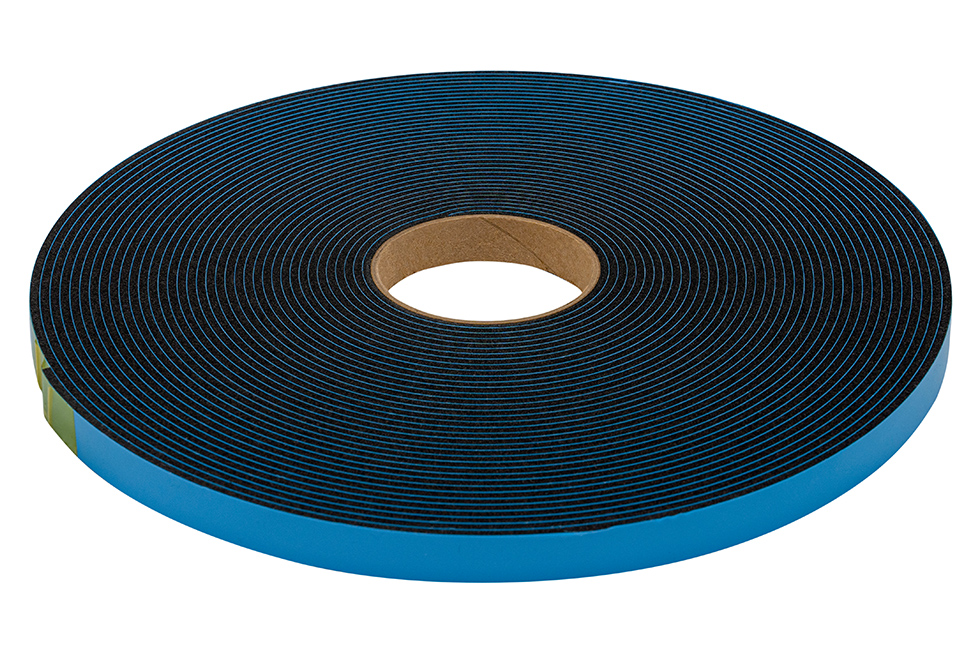
These products are available in single-sided and double-sided adhesive constructions depending on the application. The V1510, for example, is a single-sided, medium-density closed-cell PVC foam tape, while the V1526 has pressure-sensitive adhesive on both sides.
The objective is not simply to select the thickest tape available. Instead, the tape should be selected based on the actual joint dimensions and the amount of compression required after installation.
Compression Force Matters, Too
Compression percentage tells you how much the tape is being compressed. Compression force tells you how much pressure is required to achieve that compression.
These are related, but they are not the same measurement.
For example, Capital Tape’s V1510 and V1526 medium-density PVC foam glazing tapes have a published force-to-compress value of 7 psi at 25% compression according to ASTM D-1667.
This information can be useful to engineers and fabricators evaluating the interaction between the tape and the glazing system.
A different foam formulation or density can behave very differently under compression. Consequently, compression ratio should always be considered alongside properties such as:
- Foam density
- Hardness
- Compression force
- Compression set
- Adhesive characteristics
- Joint movement
- Temperature range
- Environmental exposure
- Substrate compatibility
Compression Set vs. Compression Ratio
One common point of confusion is the difference between compression ratio and compression set.
They describe two different properties.
Compression ratio refers to how much the tape is compressed during installation.
Compression set refers to how much of that deformation remains after the compressive force is removed.
For example, Capital Tape’s V1510 and V1526 products have a published compression set of 8% at 25% compression.
A low compression set can be desirable because the foam is better able to recover its original thickness after compression is released. This can help the material maintain contact as conditions change.
Compressible Glazing Tape vs. Structural Spacer Tape
It is also important to distinguish compressible glazing tape from structural spacer tape.
Capital Tape’s VK Series is a high-density structural spacer tape designed for applications such as curtain wall systems where the tape provides a spacer and barrier between glass and frame. The VK Series has a published force-to-compress value of 15 psi at 10% compression.
By comparison, Capital Tape’s V1510 and V1526 compressible glazing tapes are medium-density closed-cell PVC foam products intended for gasketing and sealing applications.
The two product categories should not automatically be treated as interchangeable. The correct product depends on the design requirements of the glazing system.
What Happens If Glazing Tape Is Under-Compressed?
Under-compression can prevent the foam from creating the intended seal.
If the tape is too thin relative to the available glazing pocket, it may not make sufficient contact with the opposing surfaces. This can create small pathways for moisture or air.
Potential consequences include:
- Water infiltration
- Air leakage
- Drafts
- Reduced weather resistance
- Reduced vibration damping
- Premature seal failure
- Increased risk of callbacks and maintenance
Capital Tape identifies insufficient compression as one potential root cause of glazing tape failure, particularly when the tape thickness does not match the glazing pocket dimensions.
What Happens If Glazing Tape Is Over-Compressed?
More compression is not necessarily better.
Excessive compression can increase installation force and may place unnecessary stress on the glazing components or adhesive system. It can also change the way the foam behaves within the joint.
The appropriate compression level depends on the particular tape and application. Rather than simply maximizing compression, installers and engineers should follow the tape manufacturer’s technical recommendations and evaluate the actual dimensions of the glazing system.
Glazing Tape Compression and Temperature
Glazing systems can experience significant temperature changes throughout their service life. Materials expand and contract, while buildings and frames can experience movement.
A glazing tape must therefore maintain its sealing function under the expected environmental conditions.
Capital Tape’s V1510 and V1526 compressible glazing tapes have a recommended service temperature range of -30°F to 200°F (-35°C to 90°C) and a recommended application temperature range of 50°F to 110°F (10°C to 45°C).
Proper compression gives the foam the opportunity to remain engaged with the surrounding surfaces as the assembly moves, but temperature performance should always be evaluated as part of the overall tape selection process.
A Simple Glazing Tape Compression Example
Consider a storefront application with a measured glazing pocket of 0.175 inch.
If a 1/4-inch tape is selected:
0.250″ original thickness − 0.175″ installed thickness = 0.075″ compression
Then:
0.075 ÷ 0.250 = 30% compression
That places the tape at approximately the 30% compression level referenced by Capital Tape for sealing its PVC foam products.
This example demonstrates why accurate measurement is so important. The nominal tape thickness alone does not tell you how the tape will perform after installation.
Best Practices for Selecting Glazing Tape
When evaluating the glazing tape compression ratio for a project, consider the following:
1. Measure the Actual Glazing Pocket
Don’t rely solely on nominal frame dimensions. Measure the actual space available for the tape and account for dimensional tolerances.
2. Determine the Required Compression
Establish the compression level needed for the specific tape and application. For Capital Tape’s PVC foam products, 30% or more compression is identified as providing a complete seal against air, moisture, light, and dust.
3. Select the Appropriate Tape Thickness
Choose a tape thickness that will achieve the required compression after installation rather than selecting tape based only on the size of the gap.
4. Consider Foam Density
Density affects the way a tape responds to compression. Capital Tape’s compressible V1510 and V1526 products use medium-density 15 lb./cu. ft. PVC foam, while the VK Series structural spacer tape is a denser 19 lb. product.
5. Evaluate the Adhesive
Determine whether a single-sided or double-sided adhesive construction is appropriate. Capital Tape offers both configurations within its compressible glazing tape product line.
6. Consider Environmental Exposure
For exterior glazing, evaluate weather, UV, temperature, moisture, fungi, and oxidation resistance. Capital Tape’s compressible PVC glazing tapes are designed with resistance to these environmental factors in mind.
7. Confirm Compatibility
Make sure the glazing tape is compatible with the other materials and sealants used in the assembly. Capital Tape’s compressible glazing products are designed to be silicone compatible.
Why Proper Compression Leads to Better Glazing Performance
The purpose of glazing tape compression is ultimately simple: create and maintain reliable contact within the joint.
The foam must conform to the surfaces around it while maintaining enough resilience to accommodate movement. When the correct tape thickness, compression level, foam characteristics, and adhesive system are combined, glazing tape can provide an effective barrier against moisture and air while also providing cushioning and vibration dampening.
Capital Tape’s compressible glazing tapes are designed specifically for these types of applications, including storefront window glazing, high-movement joint sealing, cushioning, and vibration dampening.
Need Help Selecting the Right Glazing Tape?
Choosing the right glazing tape compression ratio is an important part of designing a dependable glazing seal. The correct tape depends on the glazing pocket dimensions, desired compression, foam density, adhesive configuration, environmental conditions, and requirements of the finished assembly.
Capital Tape offers compressible glazing tapes in multiple thicknesses, widths, adhesive configurations, and custom-cut formats. Its V1510 and V1526 medium-density PVC foam glazing tapes are AAMA-certified products designed for demanding glazing applications.
If you’re unsure which glazing tape thickness or construction is right for your application, Capital Tape can help you identify a solution based on your joint dimensions and performance requirements.
Explore Capital Tape’s Compressible Glazing Tapes
Looking for more support? Check out these helpful links:
DATA SHEETS | ARTICLES | FREQUENTLY ASKED QUESTIONS | TROUBLESHOOTING
Follow Capital Tape on LinkedIn